Drip Irrigation, Rain Sensors and Water Saving Heads
There Are Easy Ways To Save Water, Without Sacrificing Your GardenWhy Convert to Drip Irrigation ?
With evolving water restrictions across Metro Vancouver, efficient irrigation has never been more important. Drip irrigation delivers water slowly and directly to the root zone of plants, reducing evaporation, runoff, and wasted water. Because of its high efficiency, drip irrigation systems are permitted to operate during higher stages of water restrictions when other forms of irrigation face tighter limitations. Converting your gardens and landscape beds to drip irrigation is a practical way to conserve water, maintain healthy plants, and help ensure your landscape continues to thrive throughout the dry season.
Spray Head to Drip Line Conversion
Existing spray irrigation zones can be converted to drip irrigation using the infrastructure already in place. Depending on the system design, and requirements, this can be accomplished by installing a retrofit head in place of an existing spray head or by adding a pressure-regulating filter after the control valve. Each method drops the zone pressure to make it suitable for drip irrigation. Existing spray heads are then removed or capped, and 1/2″ drip tubing is installed throughout the planting areas. Converting an established spray zone to drip irrigation is often an upgrade that can be completed without replacing the entire irrigation system.
1/2” Drip Irrigation
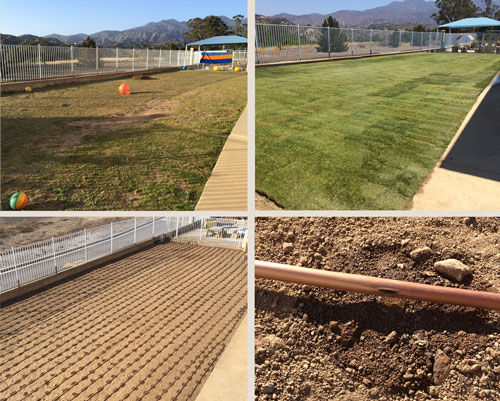
1/2” Drip irrigation is an efficient watering solution for gardens, flower beds, shrubs, and even lawns. Installed at or hidden below the soil surface, drip tubing delivers water more directly to the root zone where plants need it most. The tubing can be buried for a clean, hidden appearance, or left on the surface for easy adjustment when working in garden beds. Drip irrigation promotes healthy plant growth, reduces runoff, and uses significantly less water than traditional spray irrigation. Because of its high efficiency, drip irrigation is permitted to operate during higher stages of municipal water restrictions when conventional sprinklers face stricter limitations. In this system, 1/2″ tubing with drip emitters spaced at 12″ intervals is generally used. The drip tubing is installed in rows, running parallel, until the entire garden is covered with a “grid” of tubing. Copper Tubing by Rainbird provides unmatched resistance to root intrusion, chemicals, algae growth and UV damage, guaranteeing a durable and long lasting solution.
1/4” Drip and Micro Irrigation
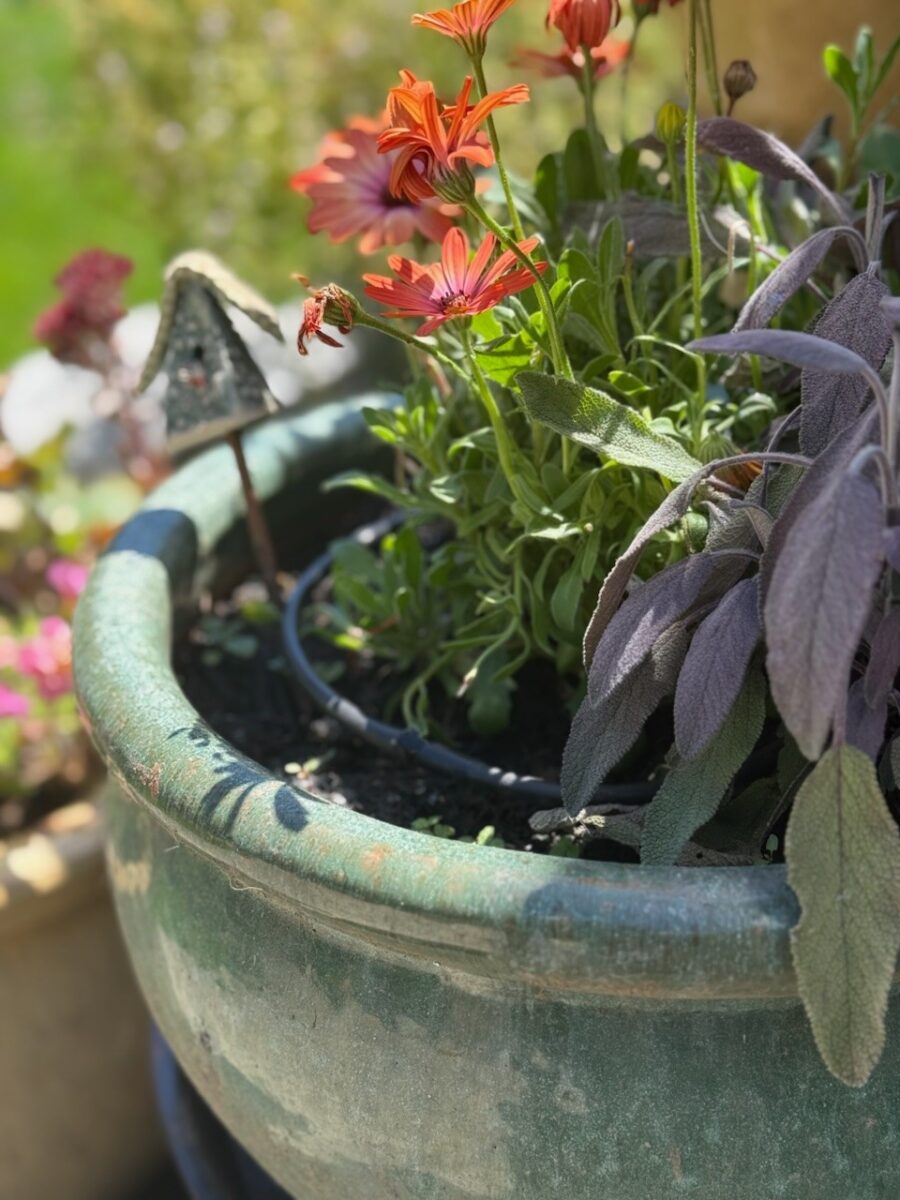
1/4″ drip and micro irrigation systems provide precise, efficient watering for deck pots, hanging baskets, planters, and very small gardens. These systems deliver water directly to each plant, helping maintain consistent soil moisture. By minimizing evaporation and runoff, micro irrigation conserves water while promoting healthier, more vibrant plants. Skip watering your deck pots by hand multiple times per day, and allow a dedicated micro zone to automatically irrigate them as needed.

Frequently Asked Questions
What is micro drip irrigation?
Micro drip irrigation is an easy, highly efficient way to water your garden. Using 1/4” tubing and small drip rings or micro-sprayers, the system uses less water by strategically releasing it directly at the root base of your plants. These small tubs are discrete and can supply pots on outdoor patios, and even your homes deck pots on upper levels of the house.
Is micro irrigation the same as drip irrigation?
They are very similar but have key differences.
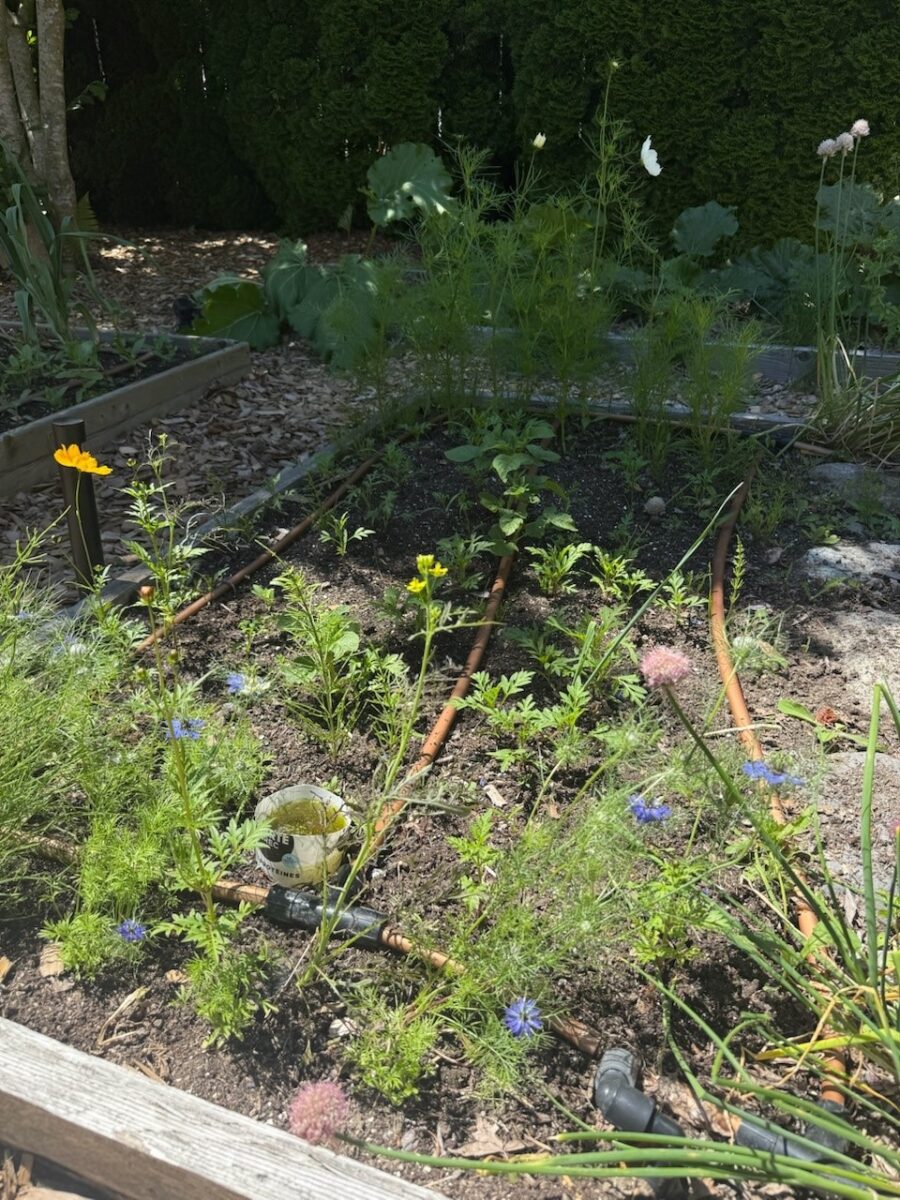 Standard Drip irrigation typically involves 1/2” tubing with holes at set intervals. These zones typically run 30 mins to 1 hour or more since they deliver water slowly, and to outdoor gardens, which can absorb more water. Rainbird Copper Tubing can be buried if preferred.
Micro irrigation utilizes typically smaller 1/4” tubing ( fed by larger tubing for long runs) connected to either 1/4” drip rings OR micro -spray heads. Micro sprays are small sprinkler heads that deliver a small amount of water to a small area. Micro irrigation is a type of Drip that is typically used for planter pots, which cannot absorb as much water, and are to small for 1/2” tubing drip rings . The micro emitters deliver less water, which is suitable for small pots which fill up quickly. Micro zones may run as little as 1 minute a day, to water pots, without overwatering them.
What components are required for a drip or micro irrigation system?
A standard drip-irrigation systems relies on a few specific components that typically a spray system does not require, namely a zone pressure regulator. To set zone water pressure down to an acceptable level for the drip tubing or micro heads. These zones need lower system pressure to work correctly, avoid misting, and allow the emitters to irrigate as designed.
Micro and Drip systems require very different run times that spray heads, so they are on their own zone. This allows them to be set for the correct run time for the landscape.
Water Saving Heads and Spray Nozzles
You can save money and water just by selecting the right products.
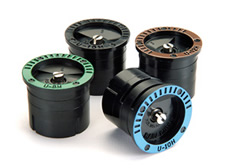
U-Series Spray Nozzles
Use 30% Less Water
The patented U-Series nozzle is the first plastic nozzle with a second orifice for close-in watering and more uniform water distribution. Its unique patented design cuts watering times, saves water and money, and reduces waste.
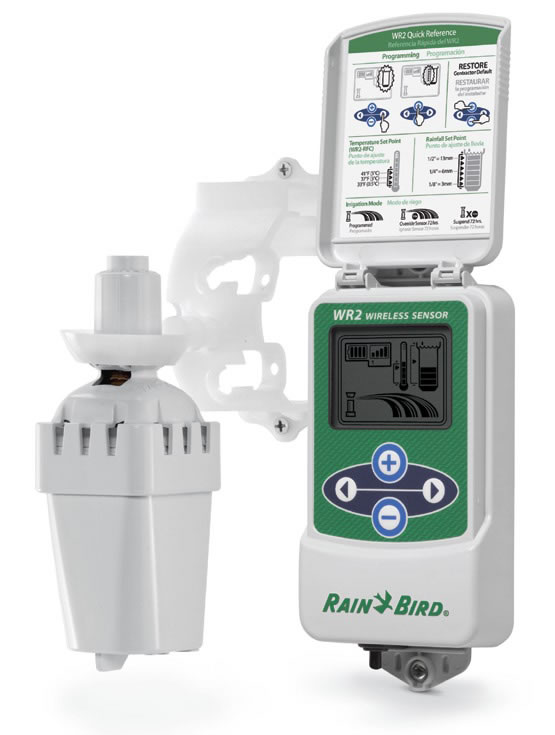
Rain Checks
Automatic Rain Shutoff
The Rain Check is indispensable in all automatic irrigation systems for residential use. It monitors rainfall levels and automatically overrides the controller to prevent unnecessary irrigation cycles. Now available in a wireless model.
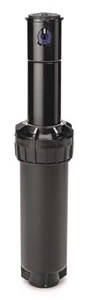
PRS Series Rotors
No More Misting and Fogging
A patented PRS pressure regulator built into the stem of this head actually saves water by reducing the excess water pressure and flow exiting the head, leaving nothing more than the perfect operating pressure for each nozzle.
The pressure reduction feature ends misting and fogging caused by high lateral line pressure. This stops water waste and ensures that necessary watering occurs in high pressure or wind conditions. For the average garden zone that has a fog or mist around it, (running 10 minutes per day, 6 days per week, and 3 months per year) the water wastage can add up to thousands of gallons per year for just that one zone! For commercial sites, or homes that are metered, these savings can add up to hundreds of dollars per year.
The PRS head also restricts water loss by up to 70% if the nozzle is removed or damaged, which saves water and money, and reduces possibility of accidents and property damage. .
PRS heads are easily retrofit to any manufacturers spray heads.
That Sounds Easy.